

As teaching methods and technology continue to evolve, schools are beginning to recognize something vital: comfort matters. For years, classrooms were set up with the idea that learning had to be tough—stiff chairs, harsh lighting, and rigid rules. But today, educators understand that a comfortable environment can be a powerful tool for student success.
When students feel physically at ease, they’re more open, more focused, and more engaged. That’s why schools are shifting toward spaces that support both academic growth and well-being.
Comfort Improves Mood and Focus
It’s hard to concentrate when you’re uncomfortable—especially for children. Sitting in hard chairs or working at school desks that don’t fit properly can cause frustration and restlessness. This discomfort puts students in a bad mood, making it harder for them to focus or participate.
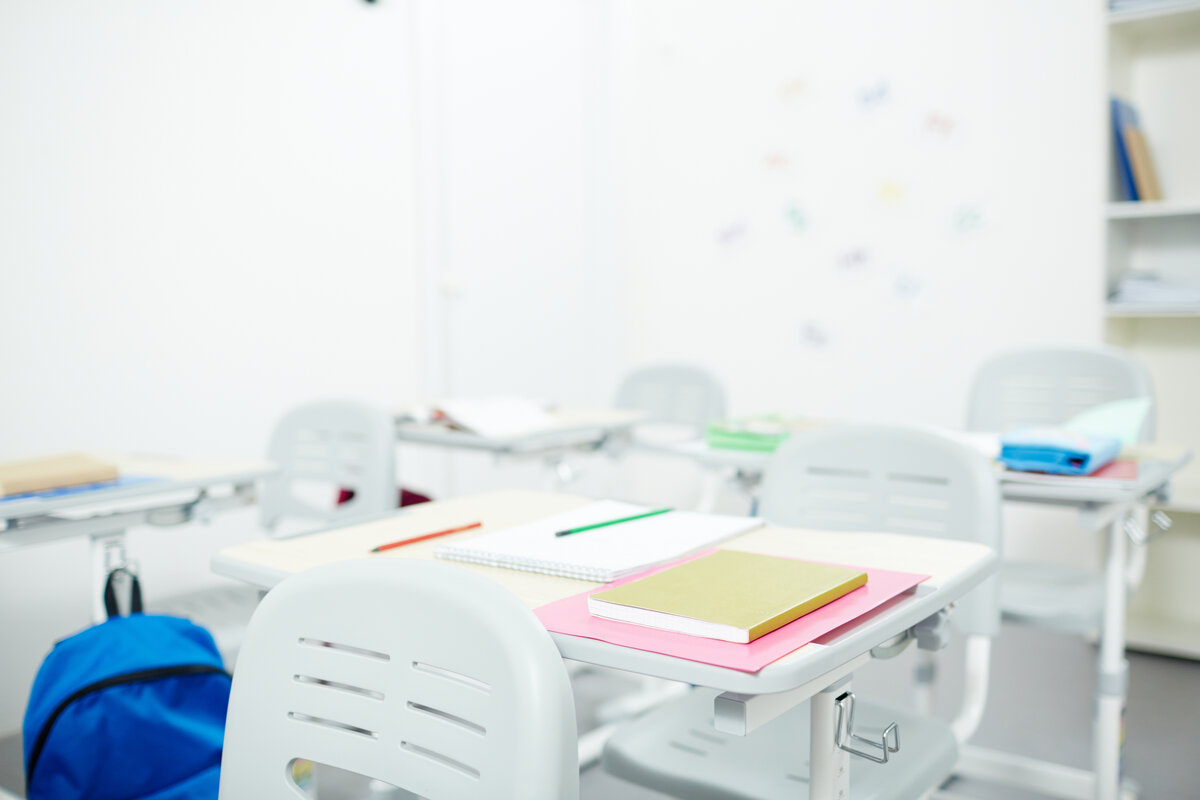
Classrooms furnished with Spring Furniture’s student desks and chairs are designed for comfort. They help students feel relaxed and supported, so their energy goes into learning—not coping with discomfort. When students feel like their comfort matters, it shows. They become more willing to participate, more focused on tasks, and more confident in their learning space.
Comfort Supports Active Learning
Modern education is all about active learning—collaboration, movement, and creativity. Whether it’s small group discussions or hands-on projects, the classroom needs to support these dynamic activities.
Spring Furniture’s comfortable and flexible seating options—from modular student desks to cozy corners with beanbag chairs—encourage movement and interaction. These inviting spaces make it easier for students to connect with peers, think creatively, and engage in critical thinking. Plus, flexible furniture layouts allow teachers to rearrange their classrooms quickly, adapting the space to meet different learning needs.
The Power of Choice in Seating
Not every student learns the same way, and not every seat works for every student. Some students may focus better at a desk, while others—especially those with sensory sensitivities like autism—might do better in a soft fabric chair or a beanbag.
Providing a variety of seating options empowers students to choose what works best for them. This helps improve focus, reduces distractions, and encourages independence—without having to ask for special accommodations.
Health Benefits of a Comfortable Classroom
Comfortable learning spaces don’t just improve focus—they also support student health, both physically and mentally.
Physical Health
• Poor lighting—especially fluorescent bulbs—can trigger headaches and eye strain.
• Natural lighting or warm-tone lamps help create a calmer, more productive atmosphere.
• Older students often deal with posture problems from years of sitting in uncomfortable chairs. Supportive, well-designed seating can prevent back pain and encourage healthy habits.
Mental Health
Comfort impacts how students feel emotionally, too. Harsh or rigid environments can increase anxiety or stress, especially for students already dealing with mental health challenges. A calm, welcoming classroom can make a big difference—helping students feel safe, focused, and ready to learn.
Comfort Shouldn’t Stop at the Classroom
Creating a comfortable school isn’t just about classrooms. Other shared spaces—cafeterias, libraries, study nooks, auditoriums, and even gyms—benefit from thoughtful furniture choices.
• In cafeterias, cushioned seating can make lunch more enjoyable.
• In study areas, soft seating encourages independent work.
• In gymnasiums and auditoriums, comfortable stadium seating enhances the experience for both students and visitors during events.
Simple Ways to Add Comfort Throughout the School
To build a more comfortable and student-friendly school environment, consider these key factors:
1. Seating
Use a mix of materials and formats—like cushioned benches for group work and modular chairs for flexible setups.
2. Lighting
Limit the use of fluorescent lights and increase access to natural light. Soft lamp lighting or fabric coverings can help reduce glare and improve comfort.
3. Temperature Control
Make sure heating and cooling systems are responsive. Students can’t concentrate if they’re freezing or overheating.
4. Sound Quality
In large spaces like gyms and cafeterias, use acoustic panels or sound-absorbing materials to reduce echo and improve communication.
Comfort Is Key to Student Success
Comfort is no longer a luxury in education—it’s a necessity. By prioritizing well-being alongside academics, schools can create spaces where students feel confident, supported, and excited to learn.
With Spring Furniture’s range of thoughtfully designed student desks and chairs, schools can transform their environments into places where comfort and learning go hand in hand—leading to better focus, improved performance, and happier students.
Post time: Jan-18-2026


